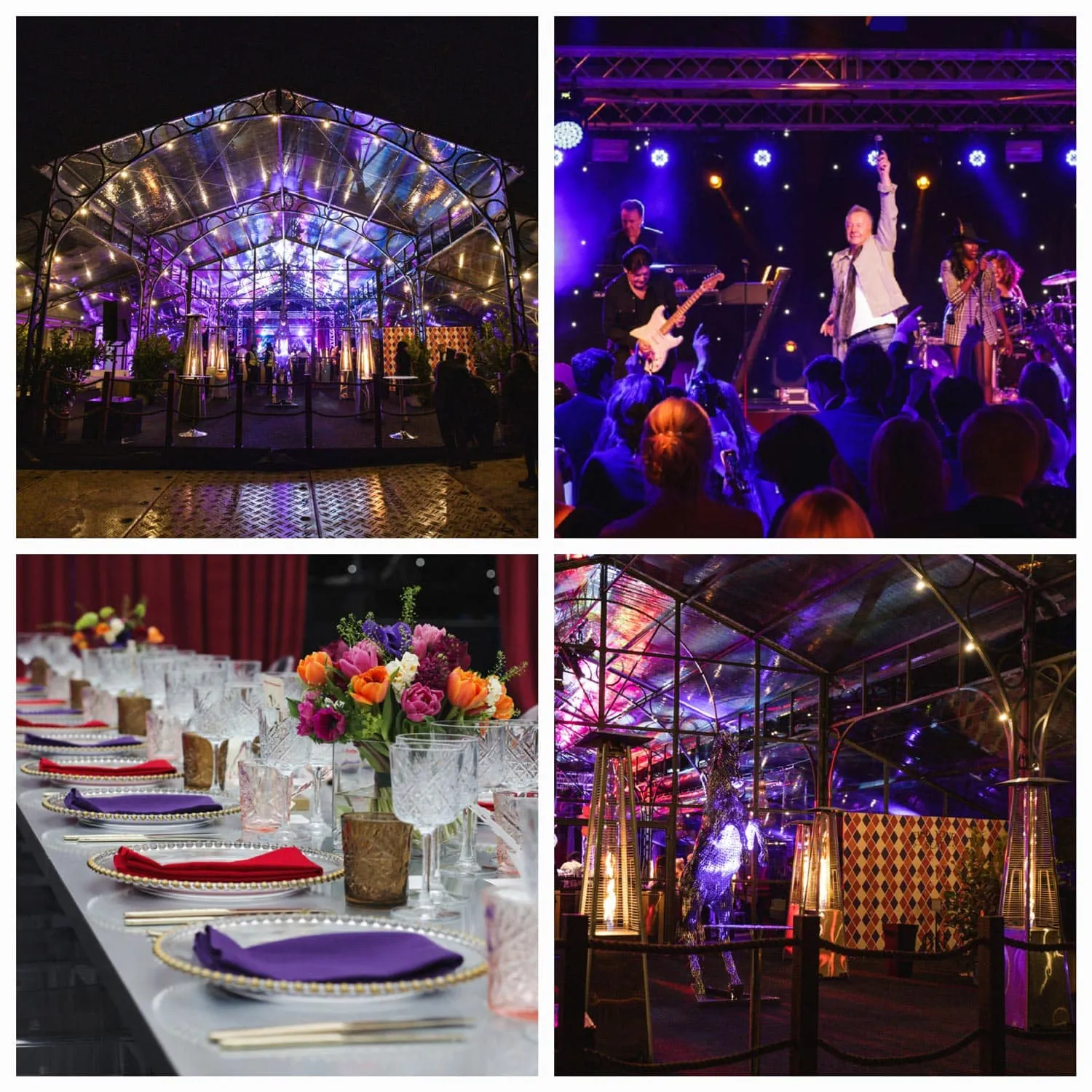
Summer is when many companies bring people together outside the office: a staff party on a lawn, a client day at a country house, a family fun day or a rooftop reception. The light evenings and outdoor space give you room for bigger, bolder entertainment than a winter function room allows, but they also bring their own planning questions. Below we look at four types of act that suit summer events and the practical points that decide whether they work on the day.
Key takeaways
- Summer events often run from daylight into dusk, so plan acts that suit each stage of the light.
- Outdoor acts depend on ground, wind and weather, so share site details early and agree a wet weather plan.
- Mix one big moment with steady background entertainment to keep energy up across a long afternoon or evening.
Start with the shape of the day
Before choosing acts, map out the event in blocks: arrival, food, any speeches or awards, and the party. A summer event often lasts longer than a winter dinner, and the light changes a great deal between a 4pm arrival and a 10pm finish. Acts that look wonderful in sunshine, like colourful dancers and stilt walkers, are best early. Anything that relies on darkness, like fire or LED shows, needs to wait until after sunset, which in June and July can be well after 9pm in the UK.
Think about who is coming too. A family day needs a different mix from a sales team celebration, and a client hospitality event usually calls for something polished and conversational rather than loud.
Dancers to lift the mood
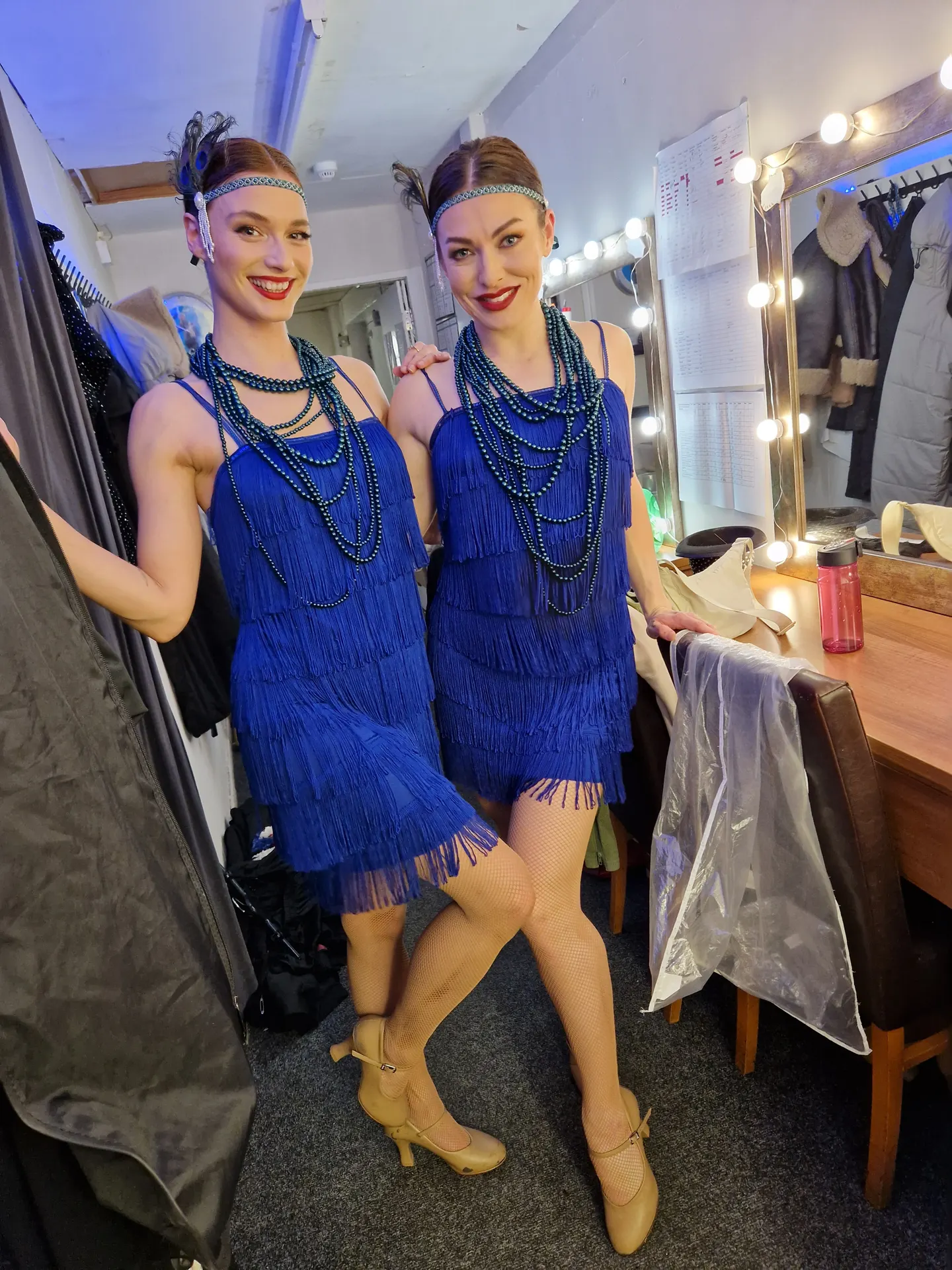
Dance is one of the quickest ways to give a summer event energy. Latin and carnival-style troupes bring colour and rhythm that suit a garden party or a terrace. Commercial and street dance crews appeal to younger teams and work well on a stage or a cleared lawn. Contemporary dancers can create something more graceful for a reception or product launch.
The best dance bookings include an element of participation. A short routine followed by a few minutes of teaching guests some simple steps gets people on their feet and breaks down the divide between departments in a way a speech rarely does.
Tip from our team: Ask for a performance area that is flat, dry and level. Grass that looks fine can be uneven or slippery for dancers, so staging or a dance floor may be needed.
Circus skills for a sense of spectacle
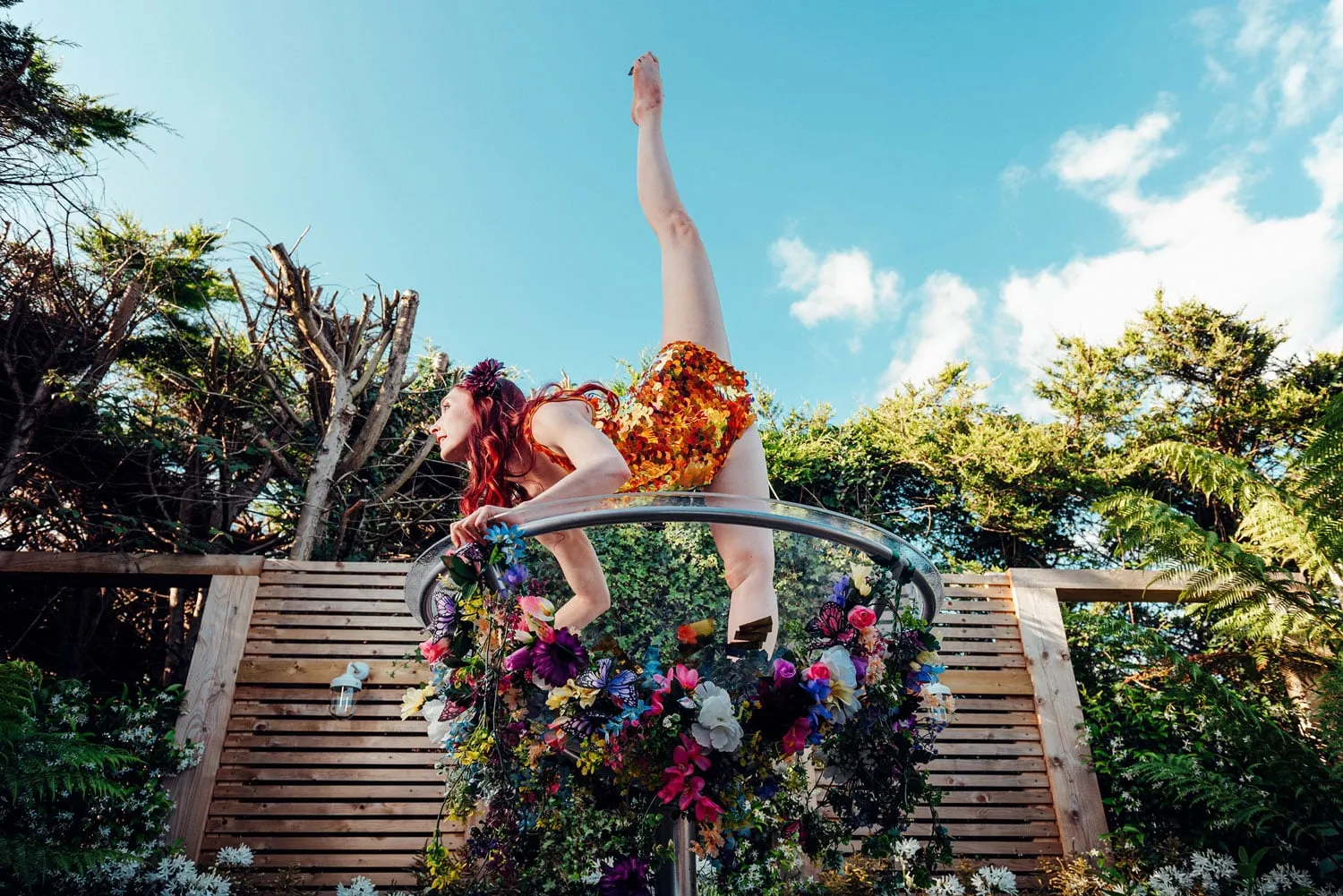
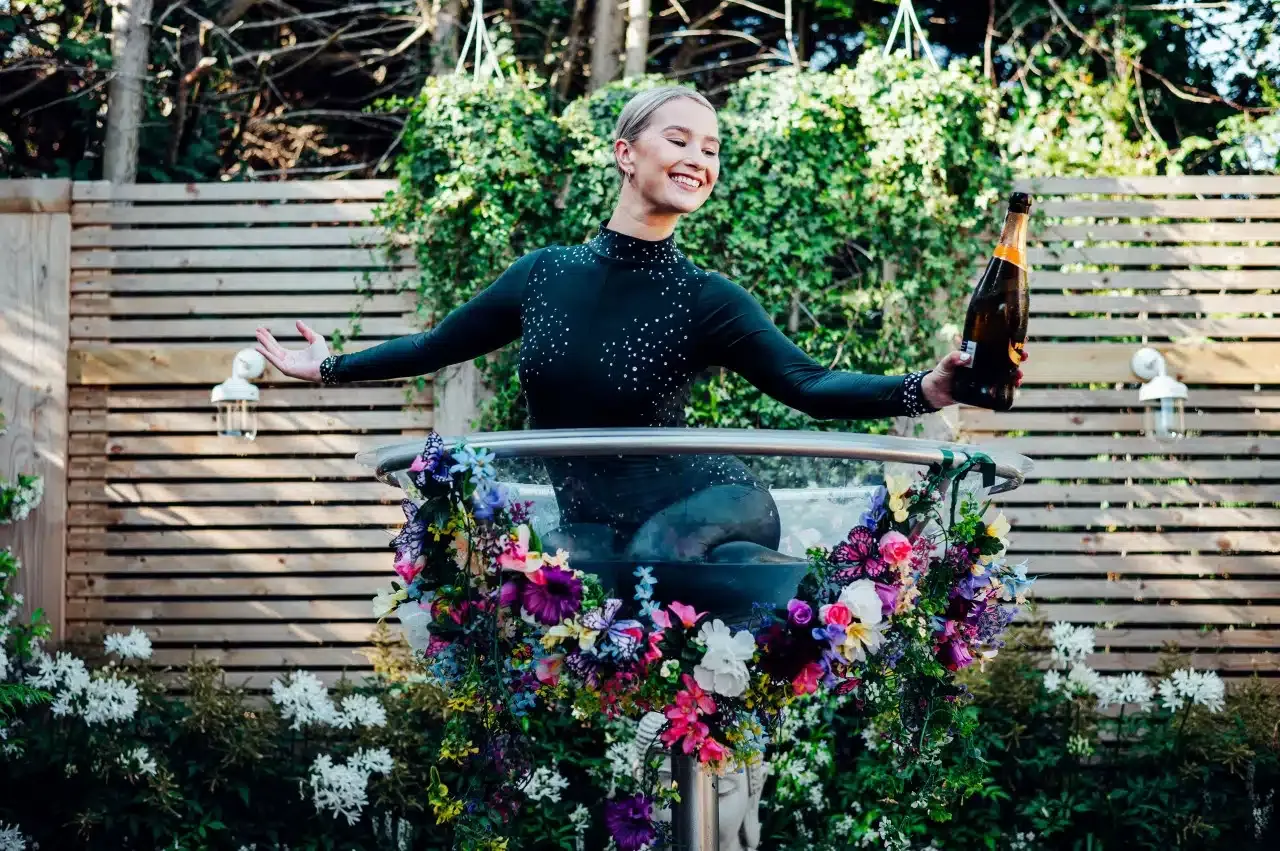
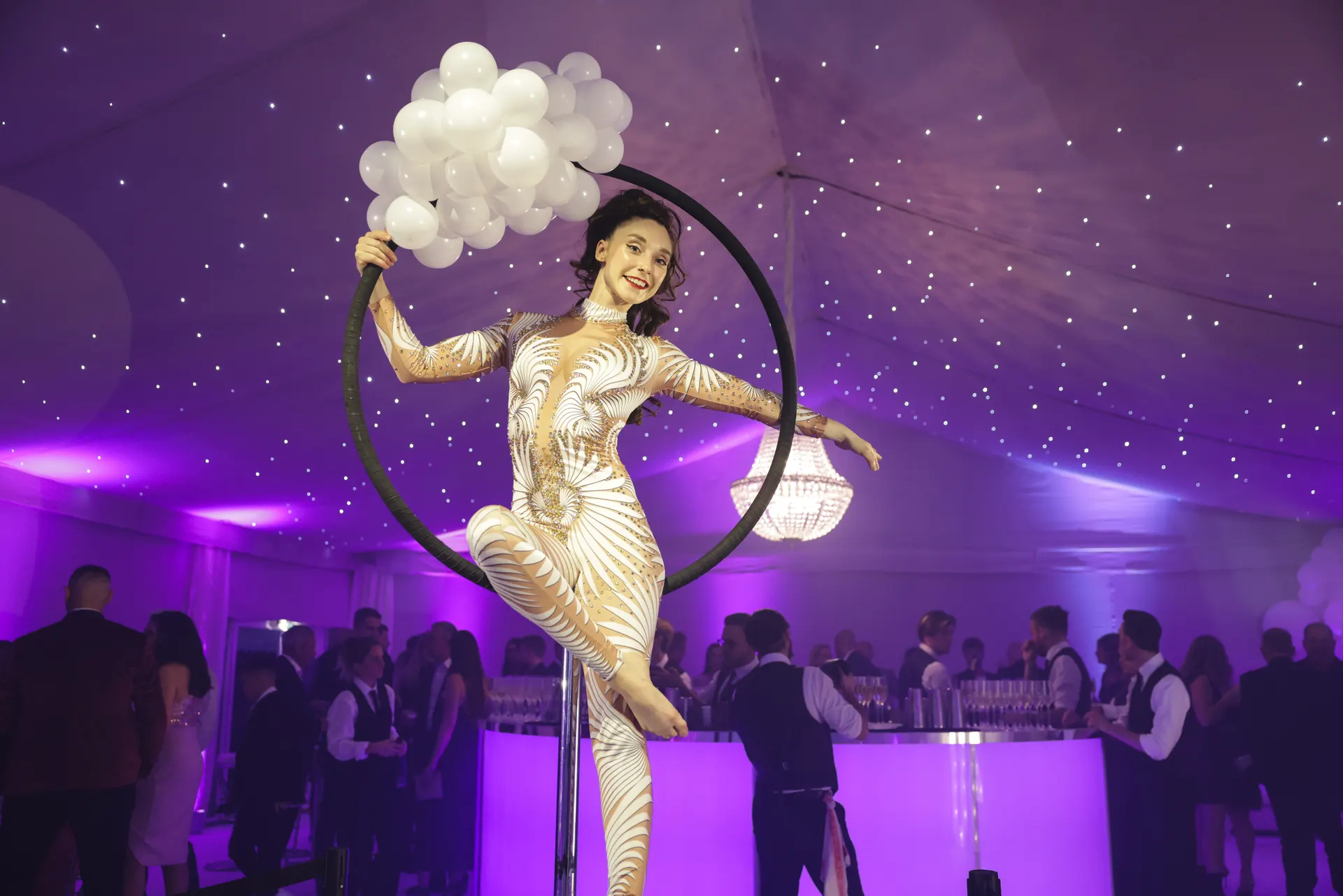
Circus performers give you the moments people film and talk about later. Aerialists on silks or a hoop, contortionists and acrobats bring real skill and a bit of nerve to the programme. Many aerial acts can perform from a freestanding rig, so you do not need a venue with rigging points, which is useful in a garden or marquee.
Outdoors, wind is the main concern for aerial work and anything tall, so performers will make a judgement on the day. A good entertainment team will have a backup plan, such as moving the act under cover or swapping to a ground-based routine.
Specialist acts that surprise
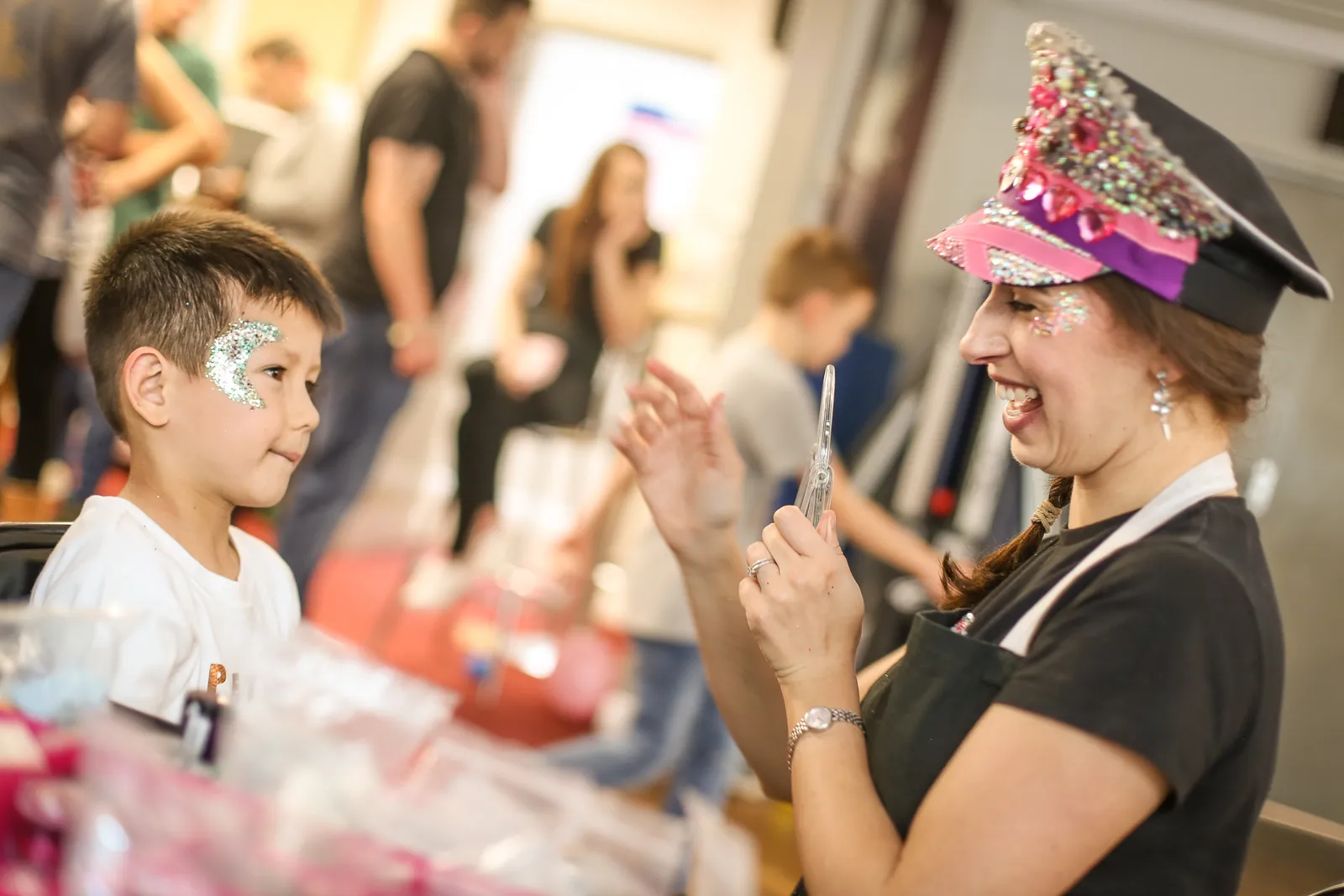
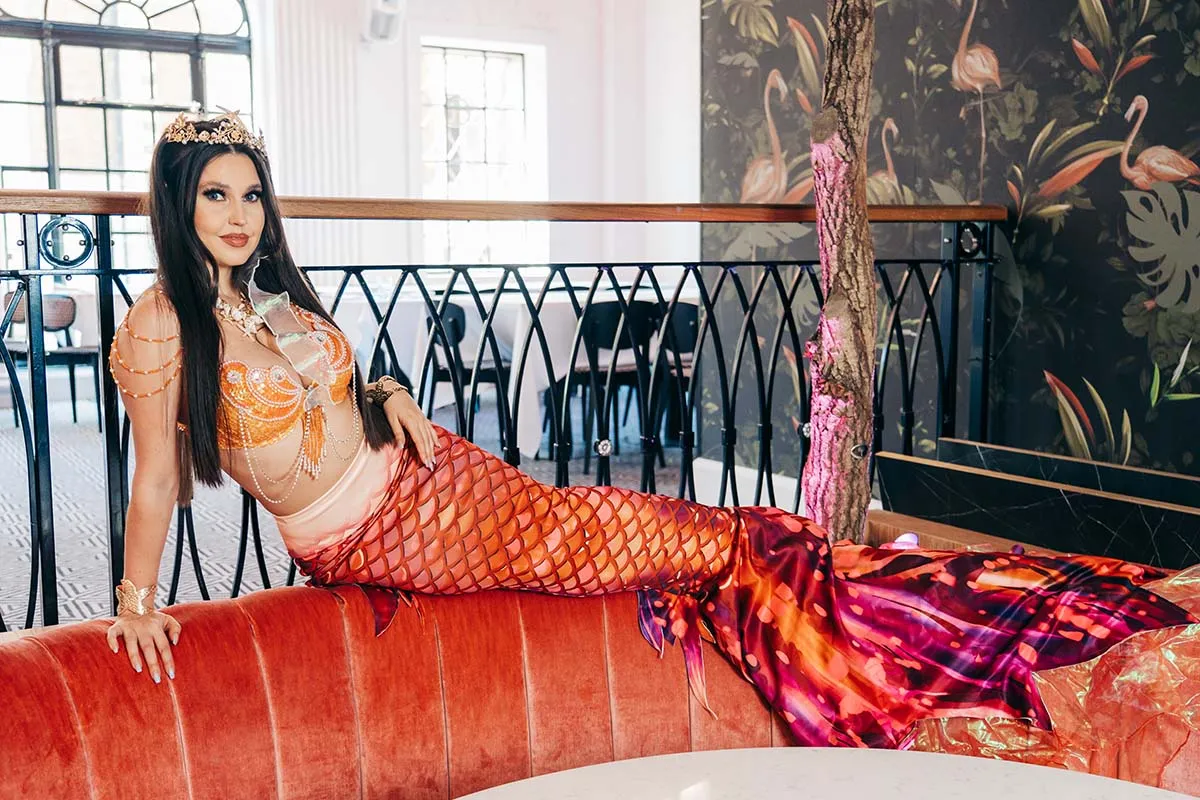
Some of the most memorable summer entertainment comes from performers who move among guests rather than appearing on a stage. Stilt walkers are a natural fit for open spaces and can be themed to anything from a tropical party to a seaside fair. Jugglers, magicians and illusionists work at close quarters, which suits drinks receptions where people are standing in small groups.
Fire breathers and fire dancers are a classic way to close a summer evening. They need a safe performance area, a risk assessment and the venue's agreement in advance, so raise this early rather than adding it the week before.
Live music for each part of the event
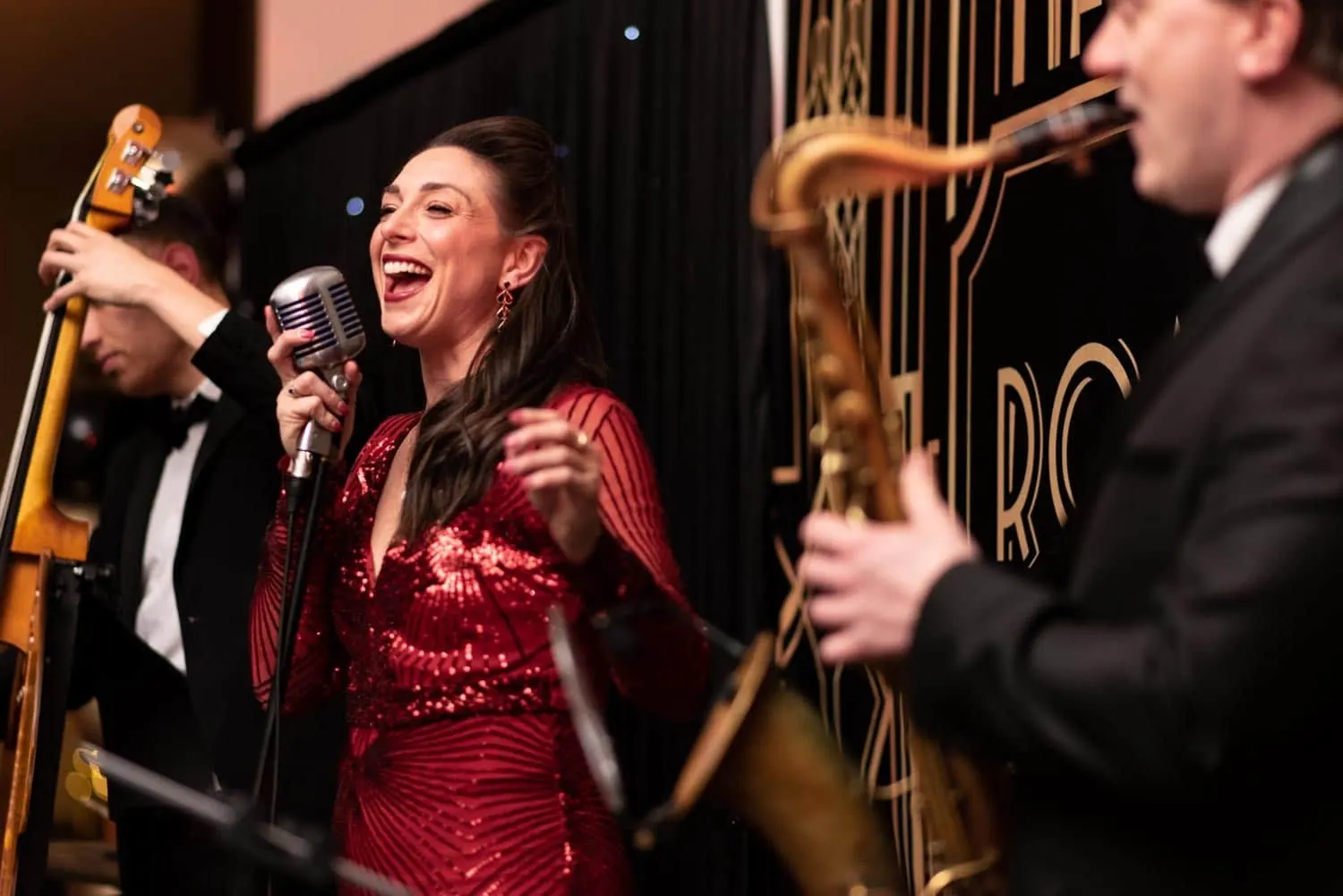
Music sets the tone more than anything else. A solo saxophonist, acoustic guitarist or jazz trio is ideal for arrival drinks and food, adding atmosphere without stopping conversation. For the party, a live band playing covers or a DJ keeps the dance floor busy. Some events combine the two, with a band for the first set and a DJ to take over.
Pick music that suits the setting. Steel drums or a Latin band feel right on a sunny terrace, while a smart jazz singer suits a rooftop reception. Check any noise limits with the venue, particularly for outdoor events near homes, as these can affect both volume and finish time.
Practical checklist for outdoor summer events
Summer events reward a little extra planning. A clear brief, a realistic running order and an honest conversation about the space will help any entertainment provider recommend acts that suit the occasion and the setting.
- Agree a wet weather plan with the venue and the performers at the booking stage.
- Provide shade, water and a cool changing area for performers in costume.
- Confirm power supply and access for any amplified music or lighting.
- Share a site plan showing ground type, slopes and any overhead obstacles.
- Check insurance and risk assessments for fire, aerial and stilt acts.
- Schedule darkness-dependent acts against the actual sunset time for your date.
Acts and themes in this article


Frequently asked questions
When should I book entertainment for a summer company party?
As early as you can. Weekends and Thursdays in June and July fill up quickly, especially for popular acts such as fire performers and aerialists. Booking several months ahead gives you the widest choice.
Can aerial acts perform outdoors?
Often, yes, using a freestanding rig. They depend on calm weather and firm, level ground, so the performers will assess conditions on the day and may need a covered alternative.
What entertainment works for a family fun day?
Stilt walkers, jugglers, walkabout characters, magicians and dance workshops all work well with mixed ages. Keep the programme varied and spread acts across the day so there is always something happening.
Organising a summer company event?
Send us your date, venue and guest numbers and we will put together a mix of acts that suits the space, the light and the people you are bringing together.
Written by Tom Hargreaves, Events writer.