With so much work happening on screens, getting colleagues into the same room has real value. Summer socials, Christmas parties, awards nights, conferences, sports days and celebrations such as Pride all give people a chance to talk outside the usual meeting agenda. Done well, they lift morale, improve the way teams work together and make people feel part of something. The trick is to start with a simple question: how do you want your people to feel? Excited, relaxed, proud, appreciated? Once you know that, every other decision becomes easier. Here are five ways to get there.
Key takeaways
- Start by deciding the feeling you want guests to leave with, then plan backwards.
- The venue is the most important decision, so choose it before anything else.
- The first ten minutes set the tone, so plan the welcome carefully.
- Build the programme towards a high point so guests have a reason to stay.
Why feeling matters more than messaging
You can put company values on a slide and read them out, but people rarely remember that. What sticks is how an event made them feel. If a team shares a great evening that reflects the culture you want, they understand that culture far better than any presentation can explain.
So before you book a venue or a band, write down two or three words that describe the mood you are after. Use them as a test for every decision that follows.
1. Get the venue right first
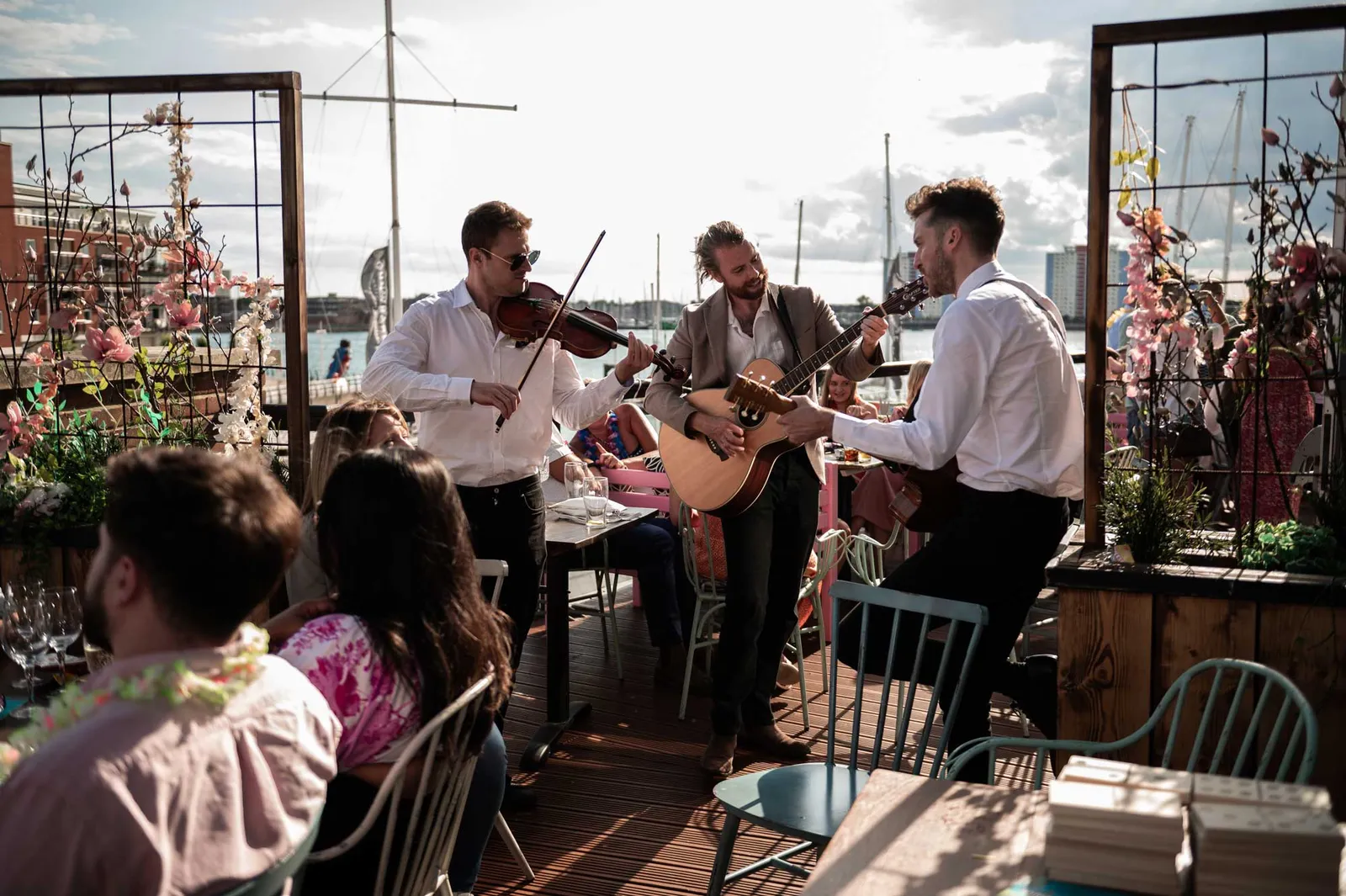
Everything else depends on the venue, so it deserves the most thought. Many conference rooms and ballrooms have no daylight, which is fine for an evening party but feels gloomy on a sunny afternoon.
Think about how people will move around. Is there space to roam, or grounds for outdoor activities? If the event moves between rooms, how long does the walk take, and what happens to the atmosphere when one space empties? Check where the toilets and smoking area are, since a smoking area next to the main room can draw people away at key moments.
Decide early whether you want a sit-down meal or something more relaxed, such as street food vans. And find out whether the venue has its own production team or whether you will need to bring in sound, lighting and AV.
- Natural light for daytime events
- Easy flow between spaces
- Sensible location for toilets and smoking areas
- Catering style that matches the mood
- In-house technical support or room for external AV
2. Make the welcome count
Nobody enjoys walking into a silent room where the only sound is a few stilted conversations. Lighting and background music make an immediate difference.
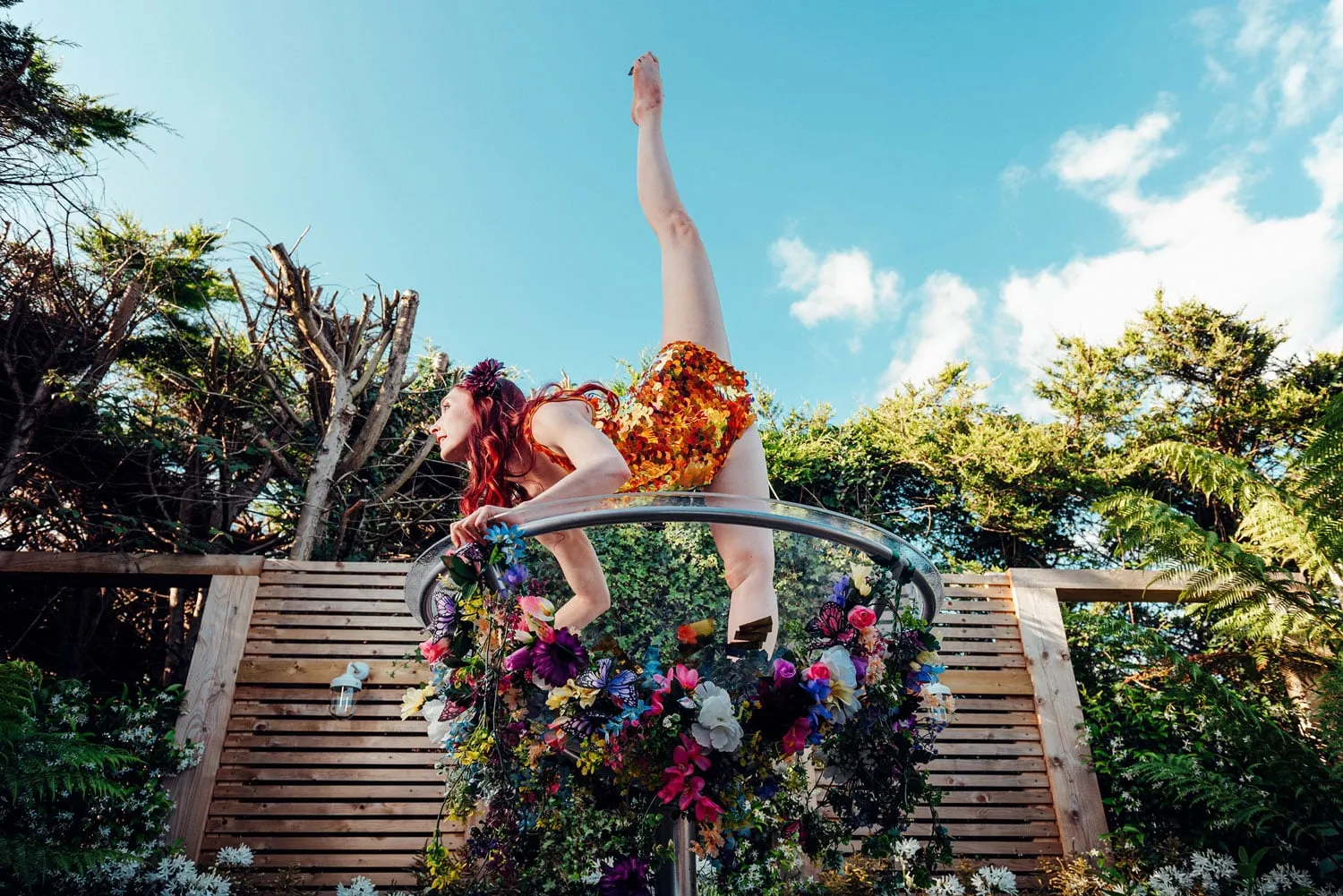
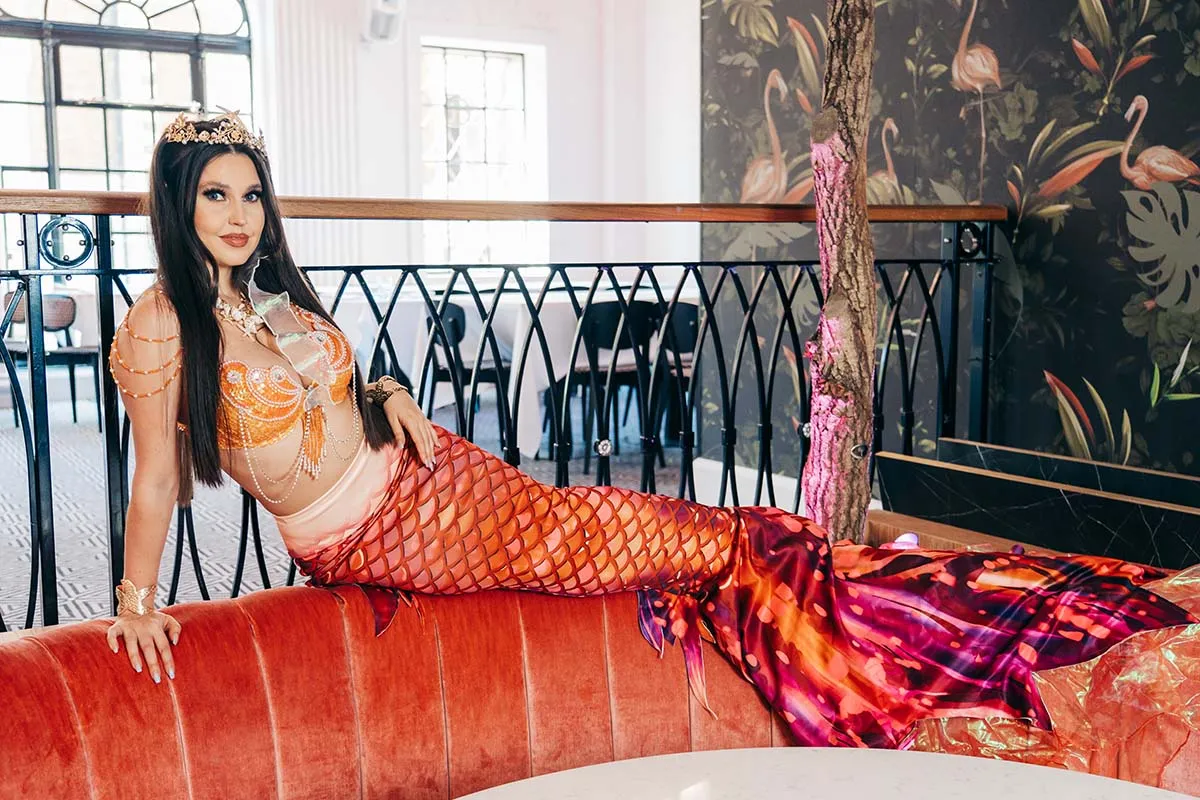
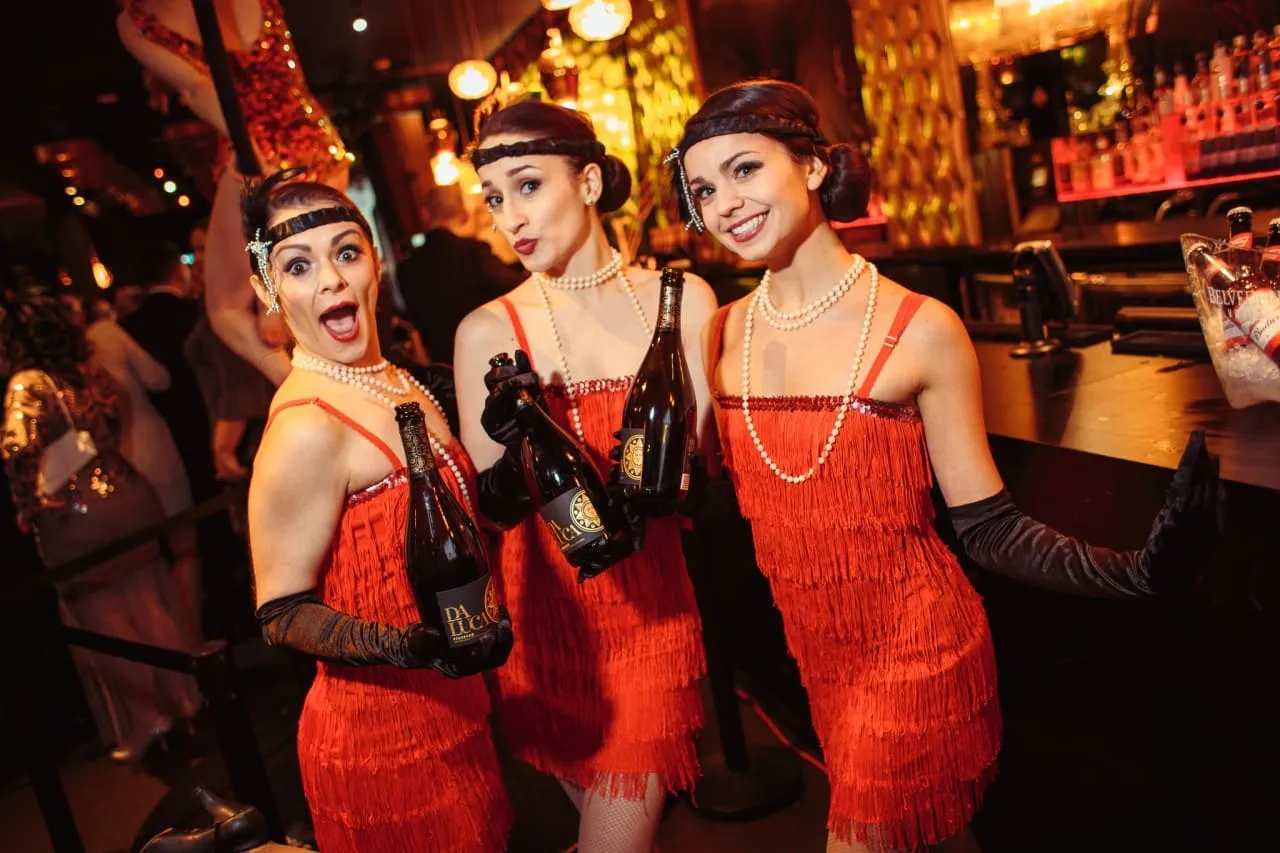
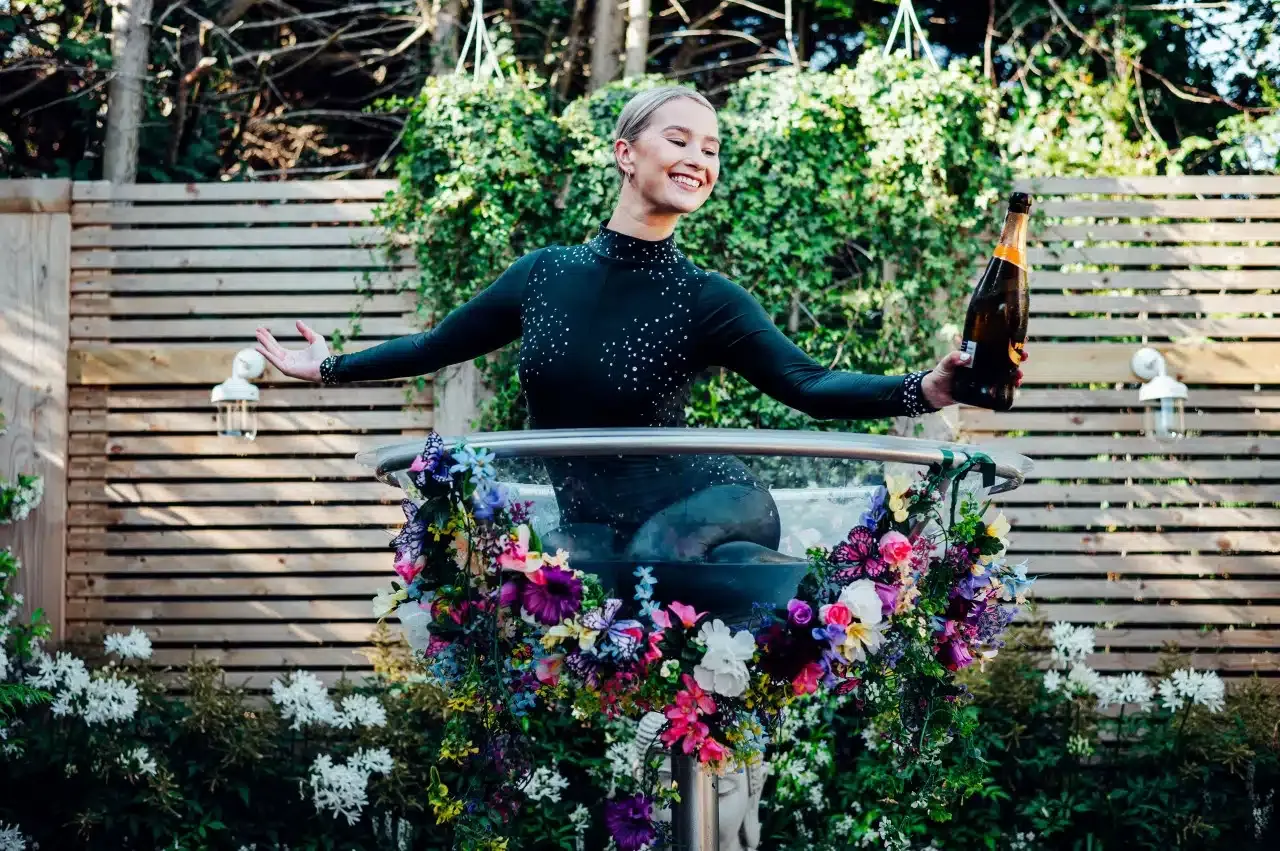
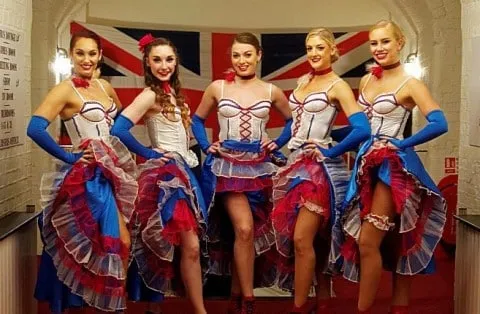
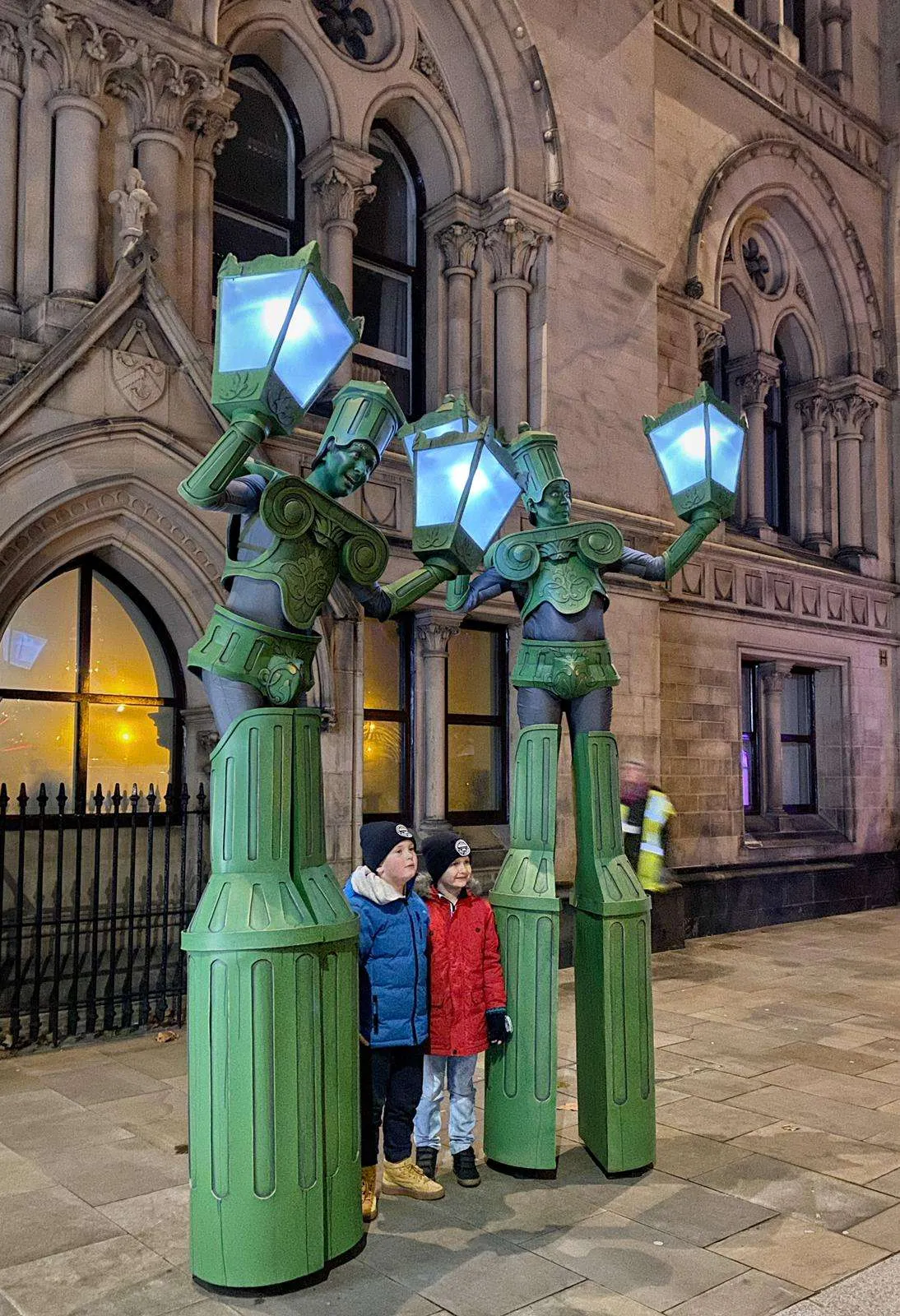
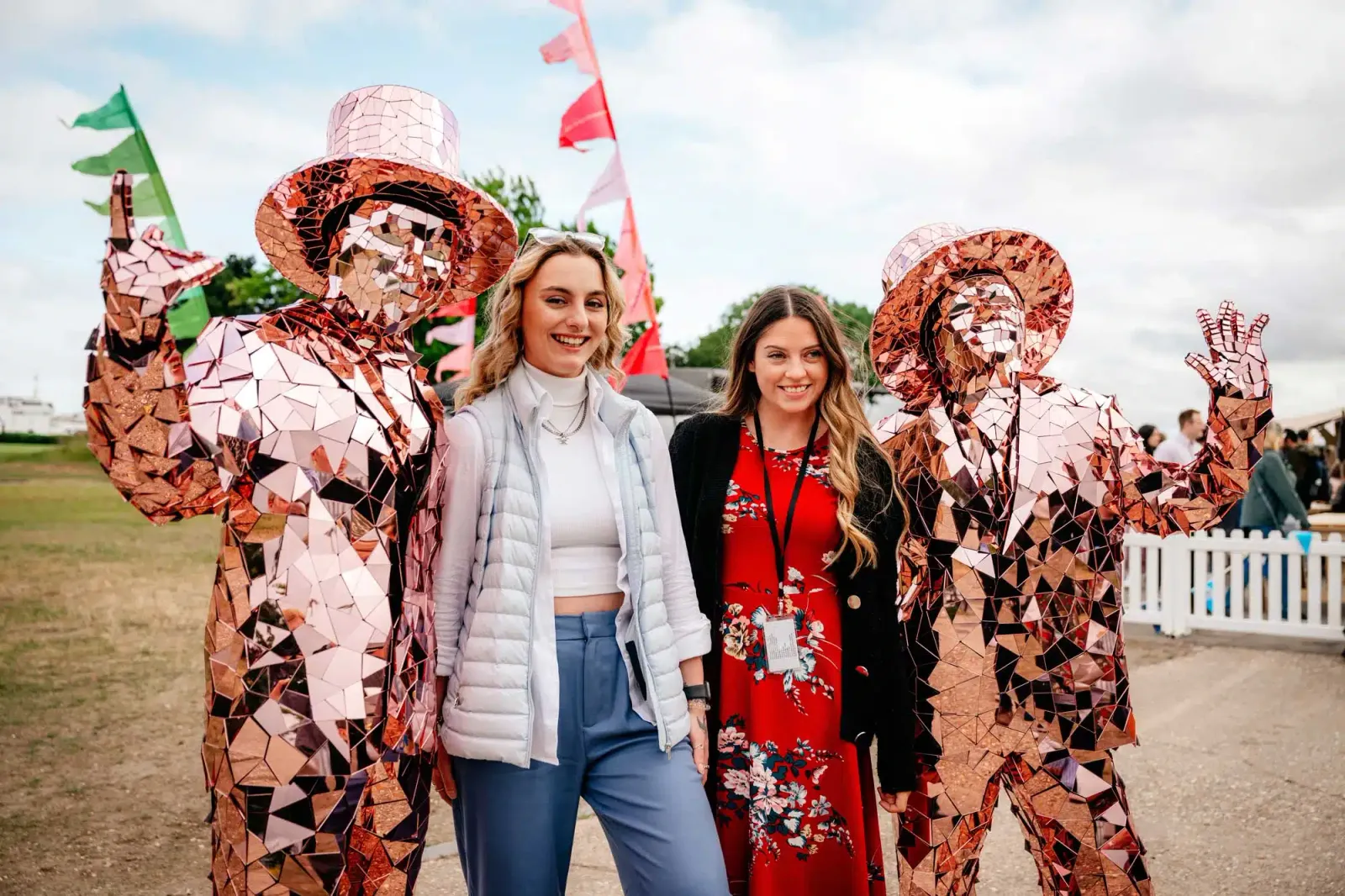
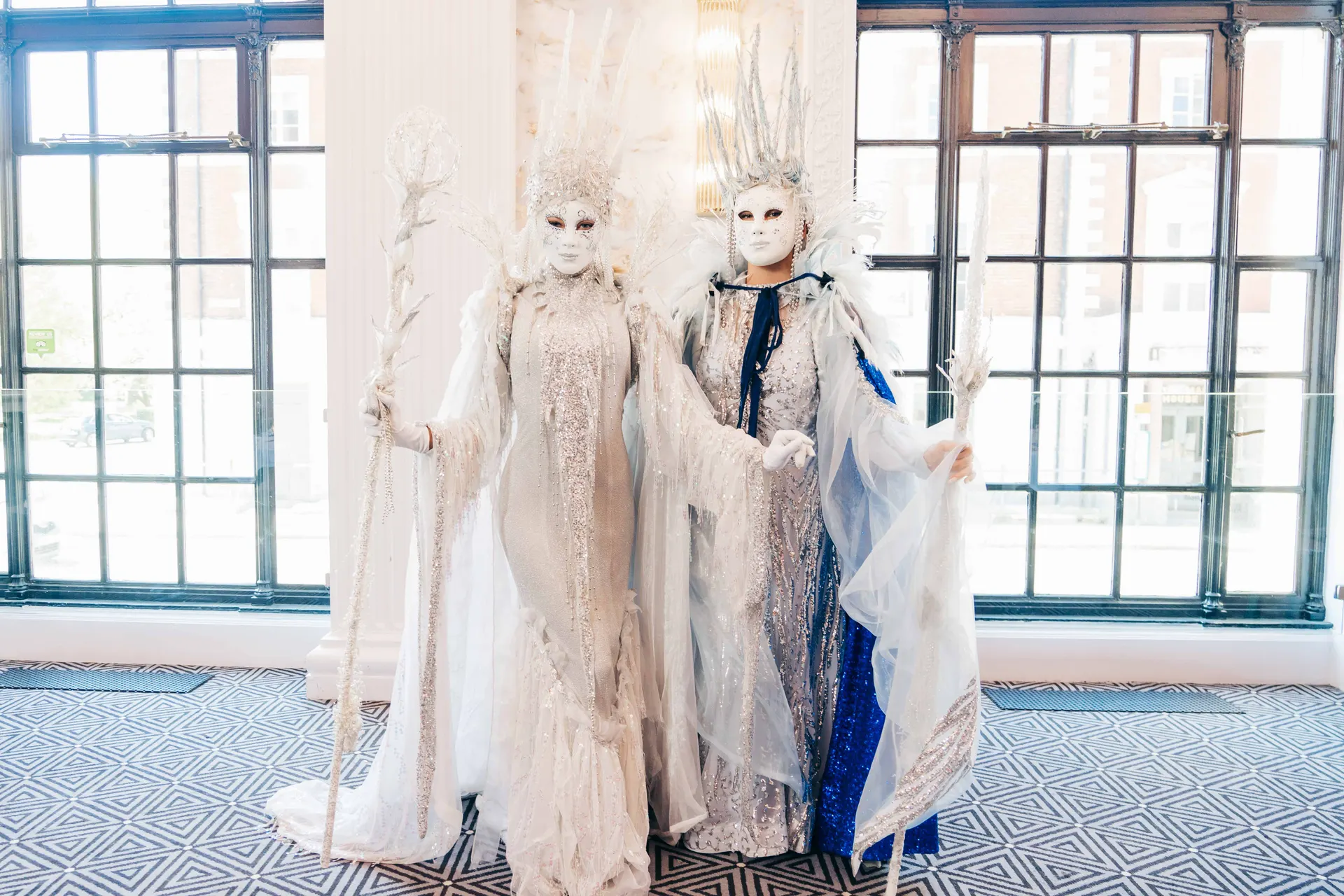
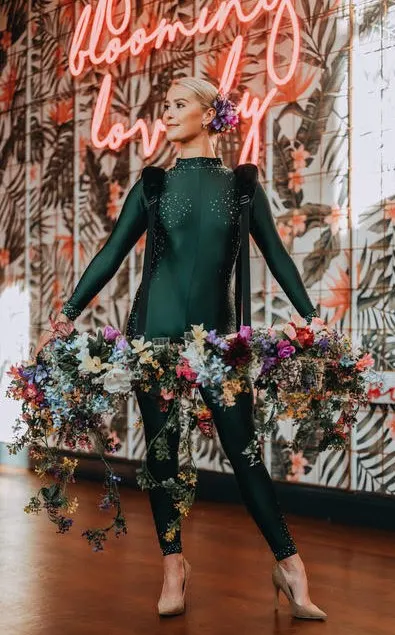
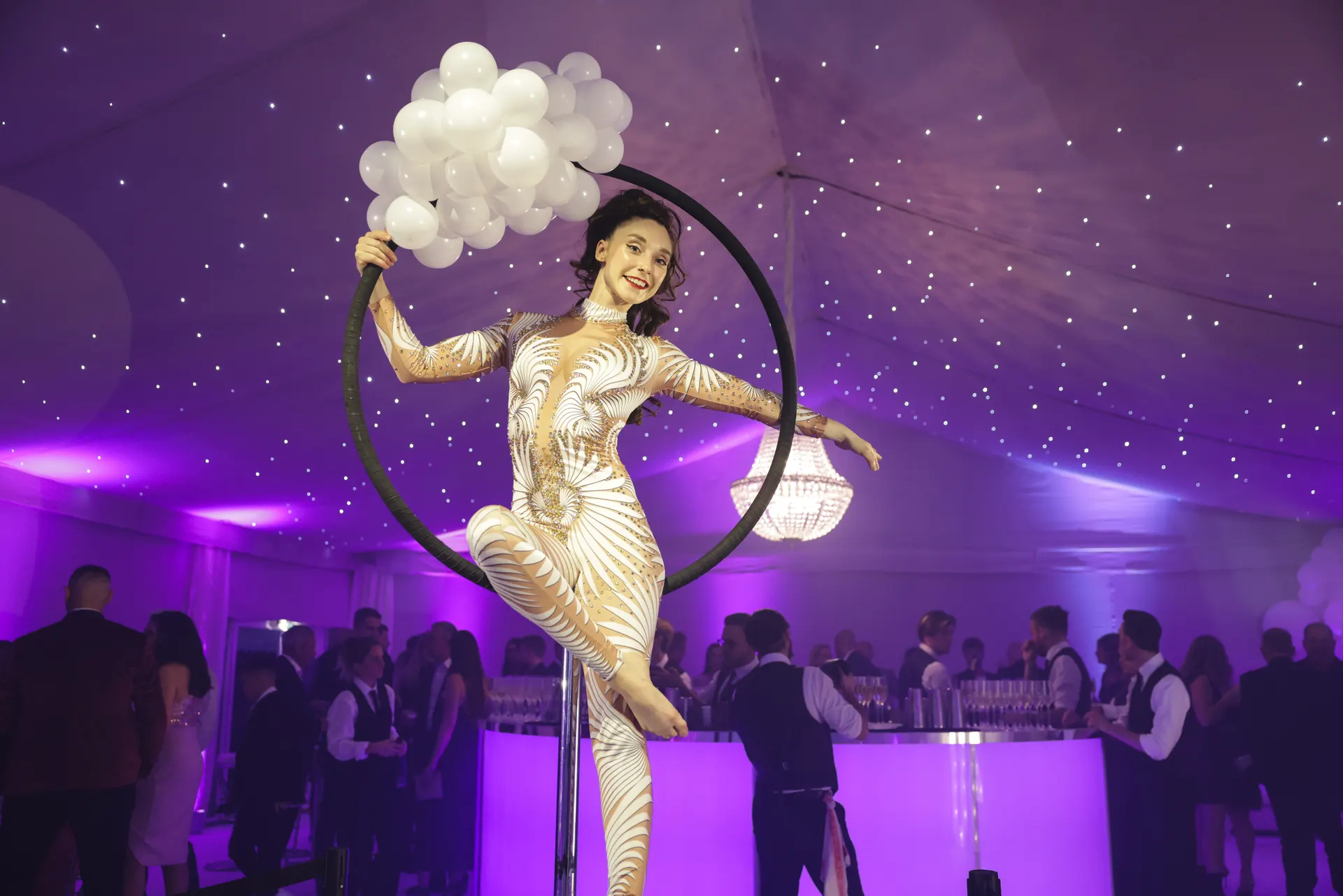
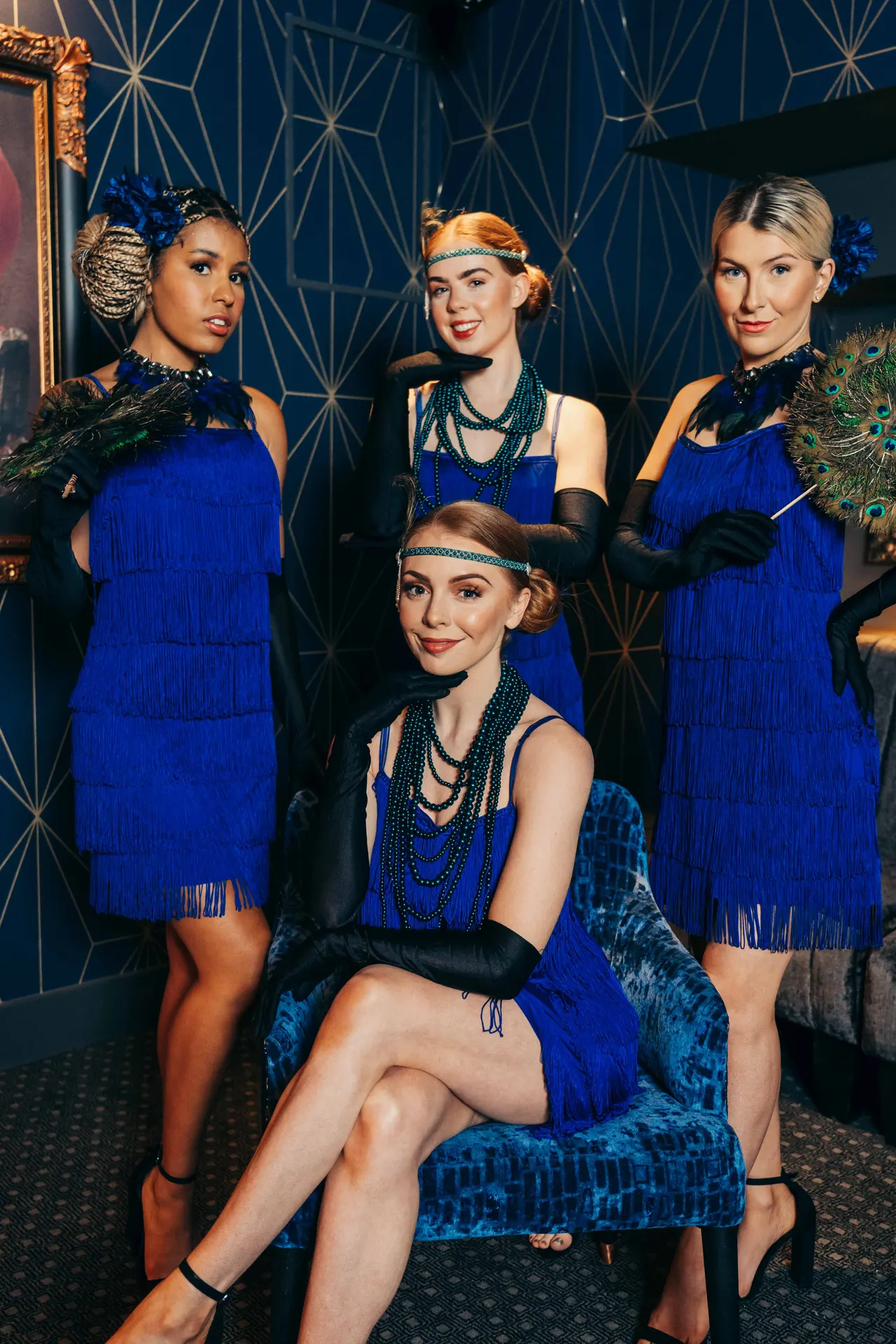
Give guests something to react to as they arrive. A visual moment works well: an aerialist pouring champagne from above, a champagne walker, a mirror-costumed living statue or live musicians playing as people walk in. Roaming acts such as a strolling string trio or close-up entertainers help people start talking. Hands-on ideas, like guests decorating their own name badges, also break the ice.
Tip from our team: Book your arrival act to start before the first guest walks in, not ten minutes later.
3. Bring the brand into the room
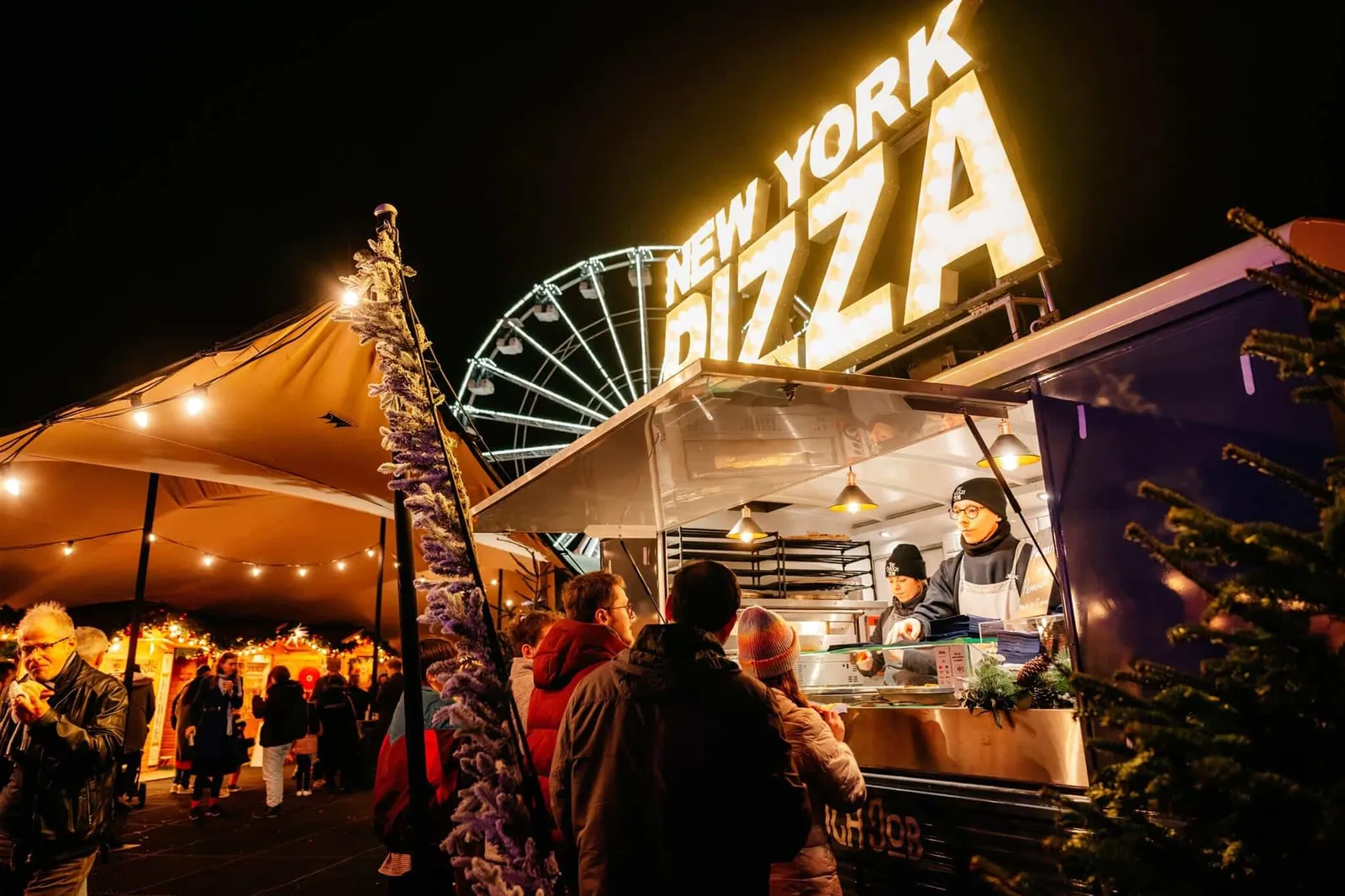
Look for natural ways to show your colours and values. Balloon displays, sequin walls and printed backdrops are affordable and create instant photo spots. With a bigger budget, lighting and screens can carry the branding further.
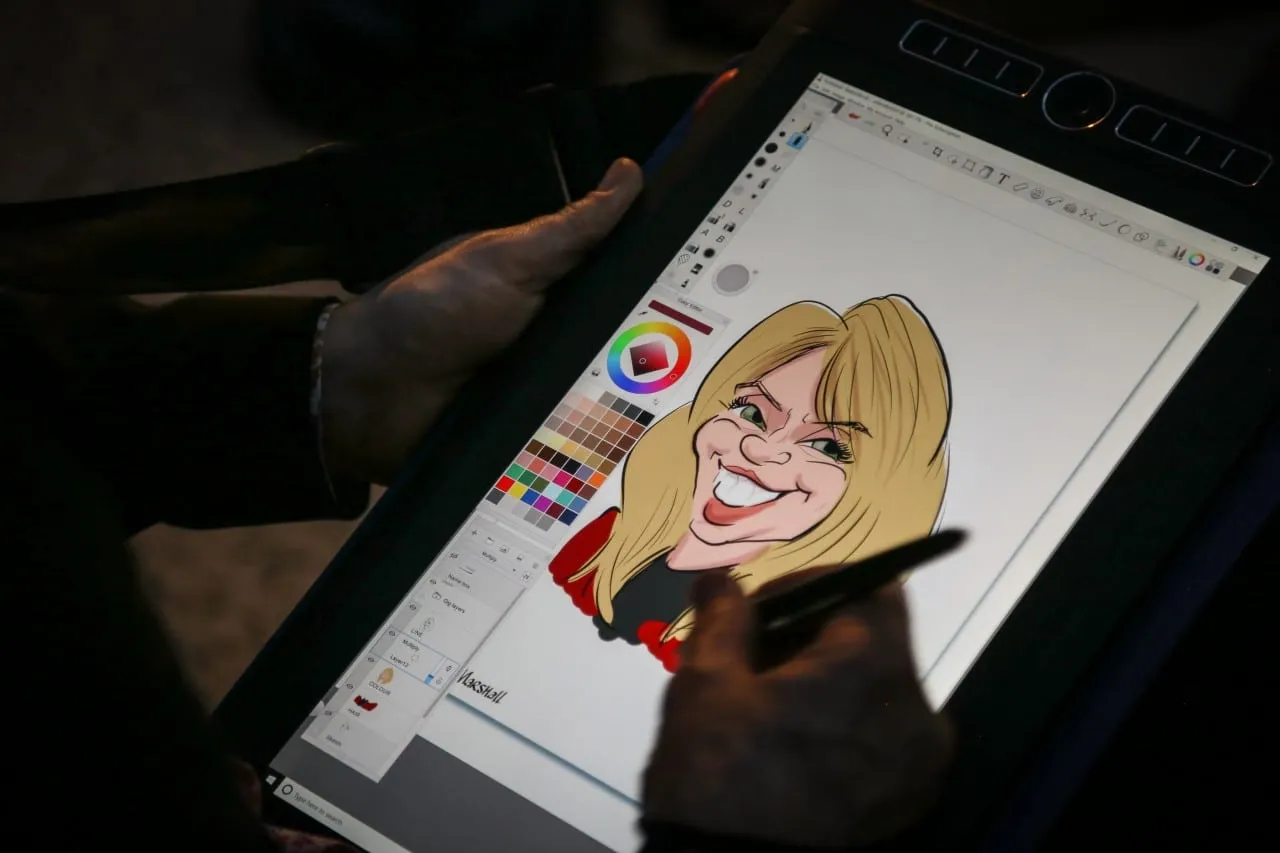
Many close-up artists, such as caricaturists, can add a logo to their work, and photo booths can be fully customised. A QR code that lets staff upload their own photos to a shared gallery is a nice touch. A photographer and videographer will give you content you can use internally, in recruitment and on social media long after the night.
4. Match the food and drink to your people
Food says something about your company. A brand known for ethical choices might go mostly vegetarian or vegan. A team celebrating a cultural or religious festival may have clear expectations about what is served. Get this wrong and it can undo the goodwill the event was meant to create.
Think about drinks in the same way. Some groups love theatrical cocktails and dry ice. Others will appreciate a strong alcohol-free offer, and some companies now run entirely alcohol-free parties. Make sure non-drinkers feel just as catered for.
5. Build towards a high point
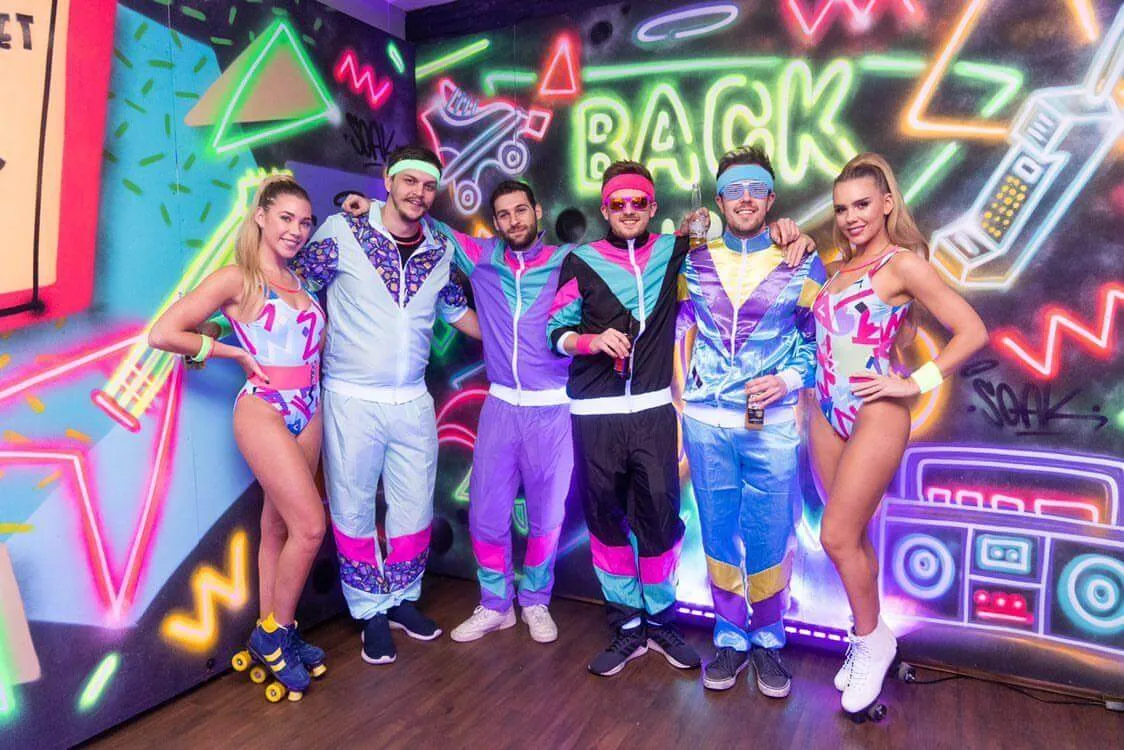
Avoid putting all the best moments at the start. An event should grow, so guests have a reason to stay, keep talking, eat, take part in activities and enjoy what you have arranged.
Plan a steady rise in energy. A gentle welcome, a lively middle with interactive entertainment or team activities, then a headline moment such as a showpiece act, an awards finale or a band or DJ opening the dancefloor. A full room creates its own atmosphere, and that is when the best connections happen.
Acts and themes in this article
Frequently asked questions
What kind of entertainment helps colleagues mix?
Roaming acts and interactive entertainment work best, such as strolling musicians, close-up magic, caricaturists, champagne walkers or living statues. They give people a shared talking point without forcing participation.
How do I stop people leaving a work event early?
Give them reasons to stay. Hold back your best entertainment or announcement until later, keep food and drink flowing, and plan a clear finale such as a showpiece act or the band starting.
Should a staff party include alcohol?
That depends on your team. Many companies now offer excellent alcohol-free options alongside a bar, and some run alcohol-free events entirely. Whatever you choose, make sure non-drinkers have something just as good.
Planning a staff event?
Tell us how you want your team to feel, and we will suggest welcome acts, interactive entertainment and a finale that fits.
Written by Tom Hargreaves, Events writer.