Ask event organisers about murder mystery dinners and you will often hear the same frustrations. Too many feel cheesy or old-fashioned, the scripts are generic, and the price does not match the quality. It does not have to be that way. A recent example on a sea fort in the Solent shows what happens when the experience is written for the venue and the guests, and the actors are treated as professionals.
Key takeaways
- A script written for your venue and guests beats an off-the-shelf box set every time.
- Pay the cast for rehearsals as well as the night. It shows in the performance.
- Plan how the story fits around each course, and brief the venue team in advance.
Why so many murder mysteries fall flat
The format itself is a good one. A dinner, a crime, a room full of suspects and guests trying to work out who did it. The problem is usually in the delivery. Generic scripts reused at hundreds of venues, thin characters, and volunteer or barely paid performers who have not had time to rehearse.
When guests are paying a premium, they notice. A wobbly performance or a plot that ignores the setting breaks the illusion quickly, and the evening ends up feeling like a pub quiz in fancy dress.
Start with the venue
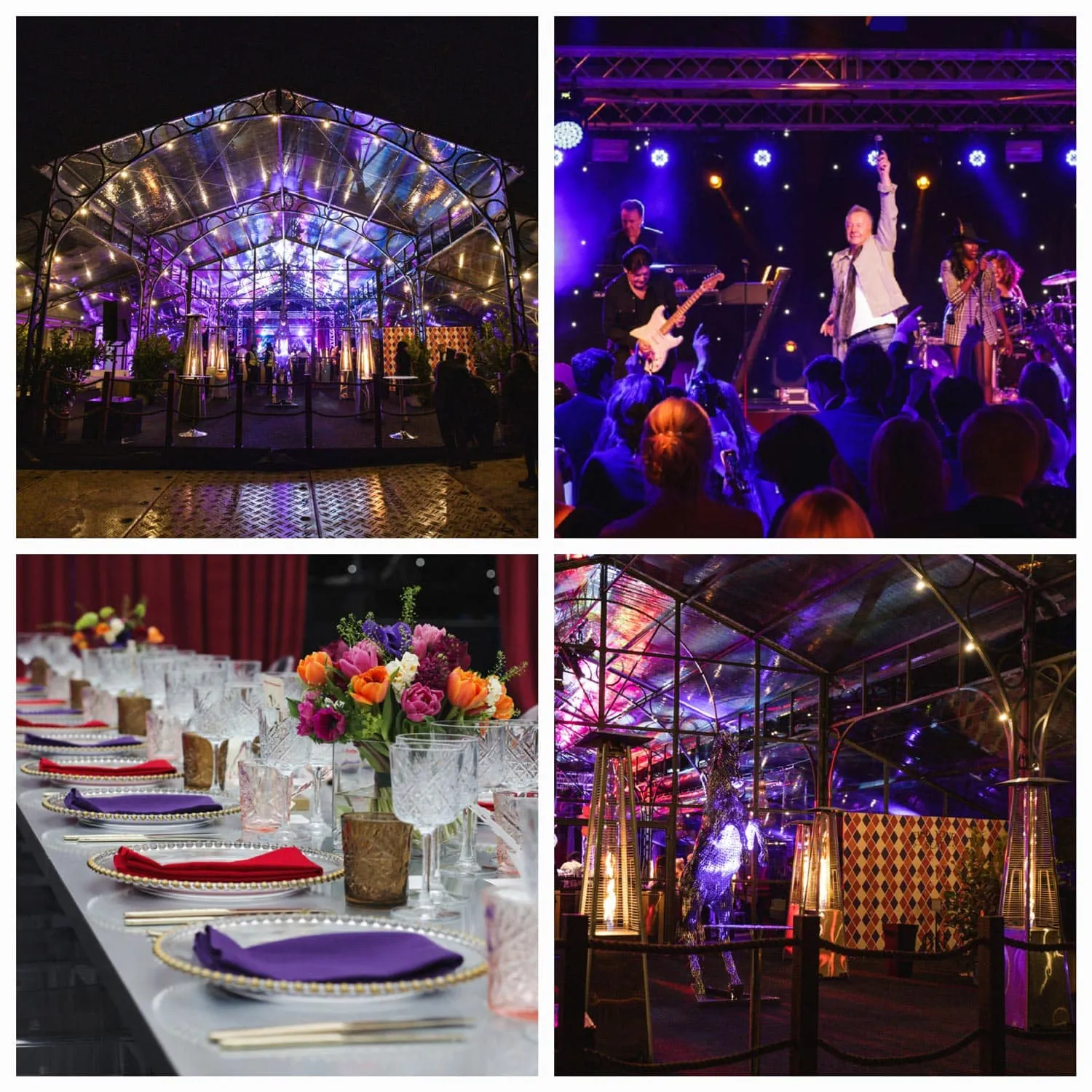
The fort example is a good illustration. A Victorian sea fort, reached by boat, is already full of atmosphere: thick stone walls, narrow corridors, and the sense of being cut off from the mainland. A script that uses those features, rather than ignoring them, makes the story feel rooted in the place.
Most venues have something to work with. A country house has a library and a long family history. A city hotel has staff corridors and a bar. A converted warehouse has an industrial past. Share floor plans and a little background with your writer so the plot can make use of the rooms guests will actually be in.
Tip from our team: Send your writer photos of the dining room and any spaces guests will pass through. Small details make good clues.
Write it for the audience
A bespoke script also allows the story to fit the group. A team of lawyers will enjoy a different style of puzzle to a family celebrating a birthday. Inside jokes, light references to the company or the occasion, and a pitch of humour that suits the room all make guests feel the evening was made for them, because it was.
Agree early how interactive you want it to be. Some groups love being questioned and accused across the table. Others prefer to watch, with a handful of keen guests doing the sleuthing.
Cast it properly and pay for rehearsal
The fort production used a mixed cast of professional and amateur actors, which can work well when everyone is properly rehearsed. The key point is that performers were paid for their rehearsal time as well as the performance itself.
That matters. Improvising with guests who are asking unexpected questions is hard. Actors need to know the plot inside out, know each other's characters and know where the clues are. That only comes from proper rehearsal, and rehearsal only happens reliably when it is paid.
Fit the story around the meal
A dinner has a natural rhythm, and the plot should follow it. A typical structure might look like this:
- Drinks reception: characters mingle, establish personalities and drop early hints.
- Starter: the crime happens or is discovered.
- Main course: questioning, new evidence and a second twist.
- Dessert: guests submit their theories.
- Coffee: the reveal, and a small prize for the sharpest table.
Brief the venue team
Waiting staff and managers should know the running order so they are not interrupted mid-scene or caught off guard by a staged scream. On a fort or any venue with restricted access, also confirm transfer times, where the cast can change, and any areas that are off limits.
Capture it discreetly
At the fort, discreetly placed cameras recorded the evening without breaking the atmosphere, and guests added their own clips from their phones. A short edit of the night makes a lovely memento for a private party and useful content for a company that wants to share its event afterwards.
Acts and themes in this article

Frequently asked questions
How long does a bespoke murder mystery take to prepare?
Allow several weeks. Time is needed to write the script around your venue and guests, cast the roles and rehearse. The more interactive the format, the more rehearsal it needs.
Do guests have to take part?
No. The level of interaction can be set to suit the group, from guests being questioned at their tables to a story that unfolds around them while they eat.
What venues suit a murder mystery dinner?
Almost any venue with a private dining space can work. Places with history or unusual architecture, such as forts, country houses and old hotels, give the writer more to play with.
Want a murder mystery with real atmosphere?
Tell us about your venue, guest numbers and the tone you are after, and we can talk through what a tailored dinner experience would involve.
Written by Sophie Caldwell, Events writer.